

Did you know: Personal Branding Matters More Than Ever. Your Name Has Become Your First Impression “Have you heard of her?” “Not really. Let me Google her.” It’s a conversation that happens every day. Before replying to your email, accepting your connection request, scheduling a meeting, shortlisting your CV, or signing a contract, people usually do one thing first. They search your name. Sometimes that search happens on Google. Sometimes it’s LinkedIn. Increasingly, it’s through AI-powered search tools that summarise who you are using publicly available information. Within seconds, someone who has never met you can form an opinion about your experience, credibility and professional reputation. They may discover insightful articles you’ve written, interviews you’ve given, recommendations from colleagues, media mentions, speaking engagements, or examples of your work. Equally, they may find outdated profiles, inconsistent information, or almost nothing at all. That first search often shapes every interaction that follows. Not long ago, your CV introduced you. Your business card started conversations. Your reputation travelled through referrals and word of mouth. Today, your name has become your introduction. Long before you walk into a meeting or answer a phone call, people have often formed an opinion about who you are and whether you’re someone they can trust. This shift has fundamentally changed what personal branding means. It is no longer about becoming an influencer or building a large social media following. It is about ensuring that your professional reputation is accurately represented wherever people choose to learn about you. People Aren’t Searching for Information. They’re Searching for Confidence. Think about the last time someone recommended a consultant, doctor, lawyer, architect, or even a potential employee to you. What did you do? You probably searched their name. You weren’t simply looking for a job title or checking where they worked. You were trying to answer a much more important question: Can I trust this person? The people searching for you are asking exactly the same question. A strong personal brand helps answer that question before the first conversation ever takes place. It gives people confidence through evidence. Articles you’ve written, projects you’ve delivered, recommendations you’ve earned, interviews you’ve participated in, conferences where you’ve spoken and organisations you’ve worked with all contribute to the impression people form about you. People don’t expect perfection. They expect proof. AI Is Changing How Professional Reputation Is Built Search itself is evolving. Increasingly, people aren’t clicking through multiple websites to research someone. They’re asking AI platforms to summarise who that person is, what they’re known for and whether they’re credible. Those summaries are built from your digital footprint, including your website, professional profiles, published articles, interviews, media coverage, reviews and other publicly available sources. In other words, your online presence is no longer just being discovered. It’s being interpreted. Every article you publish, every interview you give, every conference you speak at, every expert opinion you share and every public mention of your work contributes to the story AI and search engines tell about you. That’s why personal branding is no longer just about visibility. It’s about shaping a reputation that accurately reflects the expertise you’ve spent years building. The opportunities you pursue tomorrow may begin with a simple online search today. The question is no longer whether people will search your name. The real question is what they’ll find when they do. Define What You Want to Be Known For One of the biggest mistakes people make when building a personal brand is trying to be known for everything. They describe themselves using broad job titles, long lists of skills, or generic statements that could apply to hundreds of other professionals. The result is that people remember very little. The strongest personal brands are built around clarity. When someone mentions your name, there should be an immediate association with a particular area of expertise, industry, or problem you solve. That’s how recognition is created. Think about respected professionals in your own field. You probably associate them with one specific strength rather than an entire CV. Some are recognised for digital transformation, others for corporate law, financial strategy, healthcare innovation, cybersecurity, or sustainable manufacturing. Their reputation wasn’t built overnight. It was shaped by consistently demonstrating expertise in the same area over many years. Before thinking about websites, social media, or content, take a step back and define the position you want to own. Ask yourself: These answers become the foundation of your personal brand. For example, an ERP consultant shouldn’t simply aim to be recognised as someone who implements software. A far stronger position is becoming the person businesses trust to simplify operations, improve visibility and support growth through ERP transformation. Likewise, a doctor isn’t remembered because they hold a medical qualification. They’re remembered because patients associate them with successful outcomes, compassionate care, or expertise in treating a particular condition. The same principle applies whether you’re a lawyer, architect, accountant, engineer, consultant, or entrepreneur. People rarely remember job titles. They remember expertise that solves a problem. Once you’ve defined what you want to be known for, every public interaction should reinforce that position. The articles you write, the presentations you give, the interviews you participate in, the projects you showcase and even the conversations you contribute to should all point in the same direction. Personal branding isn’t about saying you’re an expert. It’s about making it obvious why people should remember you. Explore how we help doctors and healthcare professionals build trusted personal brands through digital marketing strategies Your Reputation Is Built Before You Walk Into the Room A personal brand isn’t built by posting every day or trying to become the loudest voice online. It is built through the reputation you create over time and the evidence that supports it. Every article you publish, every interview you give, every conference you speak at, every client you help and every professional conversation you contribute to becomes another piece of your digital identity. Individually, these actions may seem small. Collectively, they shape how people perceive you
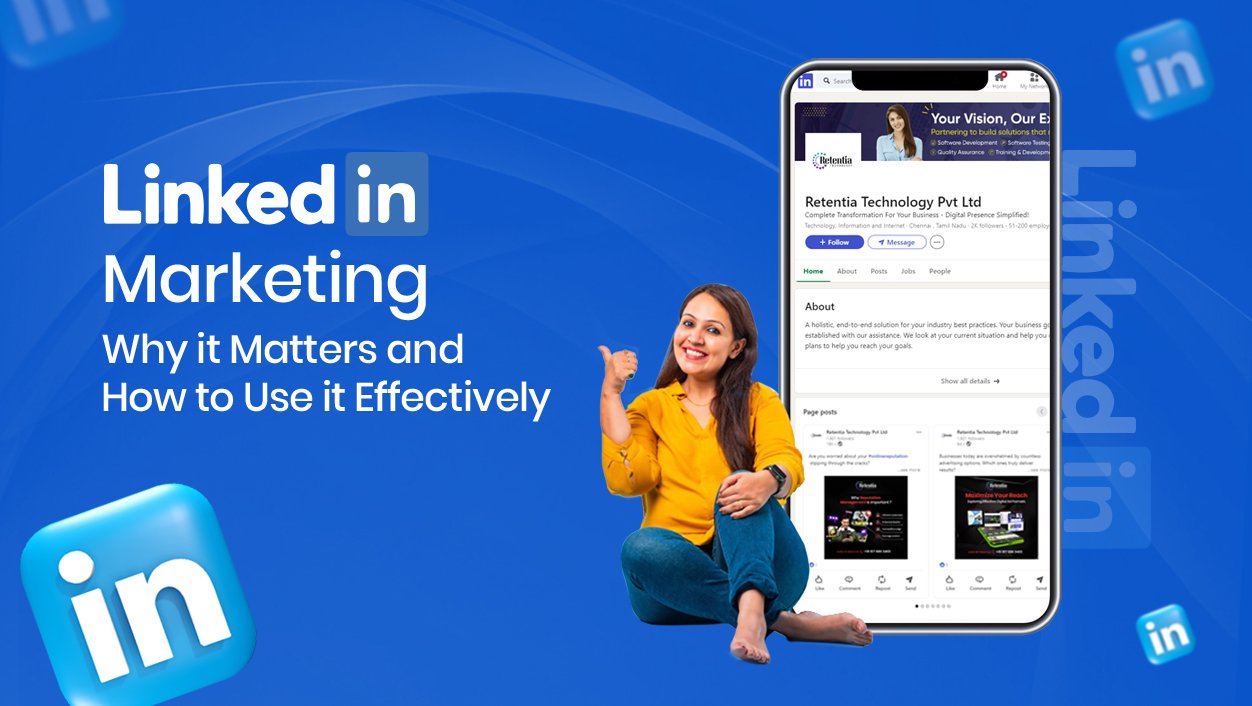
LinkedIn Marketing: Why It Matters and How to Use It Effectively
For many businesses, LinkedIn has become part of the weekly marketing routine. A few posts go live each week, company updates are shared and occasionally someone comments on an industry trend. Yet months later, the same question keeps coming up. “Why isn’t LinkedIn generating business?” The reality is that being active on LinkedIn isn’t the same as having a LinkedIn marketing strategy. Posting consistently alone won’t build credibility, generate qualified enquiries, or influence buying decisions. The businesses that see real results create content that speaks to the right audience, addresses genuine business challenges and demonstrates expertise long before a sales conversation begins. Whether your goal is to increase brand visibility, generate B2B leads, or establish your business as a trusted authority, LinkedIn offers opportunities that few other platforms can match. The companies achieving the strongest results aren’t necessarily posting more often. They’re posting with a clear strategy and a deep understanding of what their audience actually wants to see. In this guide, we’ll explore why LinkedIn marketing has become an essential part of B2B growth, where many businesses go wrong and the practical strategies that can help you turn LinkedIn into a channel for building authority, generating qualified leads and supporting long-term business growth. Why Has LinkedIn Become Essential for B2B Marketing? LinkedIn has evolved far beyond being a platform for recruitment and professional networking. Today, it’s one of the most influential digital channels for B2B businesses looking to build credibility, connect with decision-makers and generate qualified leads. Unlike other social media platforms, LinkedIn brings together business owners, senior executives, procurement professionals and industry specialists who actively use the platform to stay informed, discover solutions and evaluate potential suppliers. In many cases, a buyer’s first impression of your business is formed through your LinkedIn presence, long before they visit your website or speak with your sales team. This change in buyer behaviour has made LinkedIn an important part of the B2B decision-making process. Potential customers are no longer waiting to be approached by sales teams. Instead, they’re researching companies, reading industry insights, comparing expertise and engaging with businesses that consistently provide valuable content. For organisations, this creates an opportunity to move beyond traditional advertising. A well-planned LinkedIn marketing strategy helps businesses educate their audience, demonstrate expertise and build trust through consistent, relevant content. Over time, this positions the business as a credible partner rather than just another service provider. Whether you’re promoting professional services, ERP solutions, healthcare, manufacturing, or technology, LinkedIn allows you to reach the people who influence buying decisions. When used strategically, it becomes more than a social media platform. It becomes a channel for building relationships, strengthening brand authority and creating opportunities for long-term business growth. Why Businesses Are Investing More in LinkedIn Marketing The growing importance of LinkedIn isn’t just driven by its user base. It’s driven by how businesses buy. Today’s B2B buyers often complete a significant part of their research before contacting a supplier. They compare providers, review company pages, explore leadership profiles and consume educational content to understand which businesses genuinely understand their challenges. This shift means companies need to earn trust before the first sales conversation takes place. An effective LinkedIn marketing strategy helps businesses: Businesses that consistently provide useful insights are far more likely to be remembered when a purchasing decision is made. Rather than relying solely on outbound sales, LinkedIn enables organisations to attract opportunities by demonstrating expertise where their audience is already spending time. Why Do Most Businesses Struggle with LinkedIn Marketing? Many businesses invest time in LinkedIn without seeing meaningful results. They post regularly, share company updates, celebrate milestones and occasionally promote their services. While these activities keep the page active, they rarely generate qualified enquiries or create lasting engagement. The problem usually isn’t the platform. It’s the strategy behind the content. LinkedIn is a professional network where people look for ideas, expertise and solutions to business challenges. Yet many companies use it as a noticeboard for internal updates rather than a platform to educate and build trust with potential customers. As a result, businesses often mistake activity for progress. They measure success by likes and impressions while overlooking the metrics that matter most, such as meaningful conversations, profile visits from decision-makers, website enquiries and new business opportunities. Successful LinkedIn marketing starts with understanding that people don’t visit the platform looking to buy immediately. They come to learn, solve problems and connect with businesses that consistently provide valuable insights. Companies that recognise this shift create content that supports the buyer’s journey instead of interrupting it with sales messages. Common Mistakes That Limit LinkedIn Marketing Results Focusing on Products Instead of Problems One of the biggest mistakes businesses make is talking too much about themselves. Posts announcing new services, company achievements, or product features have their place, but they shouldn’t dominate your content strategy. Decision-makers are far more interested in content that helps them solve operational challenges, improve performance, or make better business decisions. The most effective LinkedIn content starts with the audience’s pain points rather than the company’s offerings. Treating LinkedIn Like Every Other Social Platform Content that performs well on Facebook or Instagram doesn’t always resonate on LinkedIn. LinkedIn users expect professional insights, practical advice, industry expertise and informed opinions. Businesses that simply recycle promotional social media posts often struggle to build credibility because the content doesn’t match the expectations of the audience. Posting Without a Clear Strategy Consistency is important, but consistency alone isn’t enough. Many businesses publish content simply to remain active, without defining who they’re trying to reach or what they want each post to achieve. An effective LinkedIn marketing strategy should support clear business objectives, whether that’s increasing brand awareness, generating qualified leads, building thought leadership, or strengthening relationships with existing clients. Ignoring Personal Branding On LinkedIn, people engage with people before they engage with businesses. Company pages play an important role, but posts shared by business owners, consultants, directors and subject matter experts often receive significantly higher engagement because they feel
Understanding Local SEO Ranking Factors
Assume you’re searching for “best dental clinic near me” or “AC service in Chennai.” Within seconds, Google shows you three local businesses at the top, complete with ratings, directions, contact details and reviews. Like most people, you probably choose one from those first few results. Now flip the situation. What if you’re the business owner, but your company doesn’t appear anywhere in those top local search results? This is one of the most common questions business owners ask: “Why isn’t my business showing up on Google?” The answer usually comes down to Local SEO. If you’ve ever wondered how Google ranks local businesses, what affects Google Maps rankings, or how to rank higher in local search results, this guide will walk you through the Local SEO ranking factors that actually matter. Quick Answers What are Local SEO ranking factors? Local SEO ranking factors are the signals Google uses to decide which businesses appear in local search results and Google Maps. The most important include your Google Business Profile, relevance, distance, online reviews, website optimisation, local citations, backlinks and overall online authority. How does Google rank local businesses? Google evaluates businesses using three primary factors: These three pillars influence almost every Local SEO ranking factor. 1. Google Business Profile: The Foundation of Local SEO If you’re asking “Does Google Business Profile help SEO?”, the answer is absolutely yes. Your Google Business Profile (formerly Google My Business) is one of the strongest local ranking signals. It helps Google understand exactly who you are, what services you offer and where you’re located. An optimised profile should include: A complete and actively maintained profile gives Google greater confidence in recommending your business. 2. Online Reviews Build Trust and Improve Local Rankings One of the most searched questions is: How important are Google reviews for Local SEO? Reviews influence both customer decisions and Google’s understanding of your business reputation. However, it’s not just about collecting five-star ratings. Google also considers: A business receiving consistent customer feedback throughout the year generally appears more active and trustworthy than one with dozens of old reviews but little recent engagement. 3. Why Isn’t My Business Showing Up on Google Maps? If your competitors appear while your business doesn’t, several Local SEO factors could be responsible. Common reasons include: The good news is that most of these issues can be improved through ongoing optimisation. 4. Website Optimisation Still Matters Many businesses assume Local SEO begins and ends with Google Business Profile. It doesn’t. Your website plays an equally important role in improving local search rankings. Make sure your website includes: Google uses your website to verify the information shown in your Business Profile and better understand your expertise. 5. NAP Consistency and Local Citations Another common question is: What is NAP consistency in Local SEO? NAP stands for Name, Address and Phone Number. Your business details should remain identical across: Even small inconsistencies can reduce Google’s confidence in your business information. Local citations on trusted directories also strengthen your local presence by reinforcing your business identity across the web. 6. Do Backlinks Help Local SEO? Yes, but quality matters far more than quantity. Google values backlinks from relevant and trustworthy websites. For local businesses, some of the most valuable backlinks come from: These links help establish your business as a recognised authority within your local market. 7. Customer Engagement Sends Powerful Ranking Signals Google pays attention to how users interact with your business listing. Actions such as: all indicate that customers find your business useful. While these behavioural signals aren’t the only ranking factors, strong customer engagement often supports better local visibility over time. 8. Local SEO Is an Ongoing Process, Not a One-Time Setup One of the biggest misconceptions about Local SEO is that creating a Google Business Profile is enough. Successful businesses continuously: Google rewards businesses that remain active, accurate and relevant. Final Thoughts If you’ve been wondering how to improve Local SEO, how to rank higher on Google Maps, or why your competitors appear before you, the answer isn’t a single ranking factor. It’s the combination of many signals working together. An optimised Google Business Profile, positive customer reviews, consistent business information, a well-structured website, local authority and ongoing engagement all contribute to stronger local search visibility. The businesses that consistently appear at the top of local search results aren’t always the biggest. They’re the ones that make it easiest for Google to understand, trust and recommend them. If your goal is to attract more local customers and generate qualified enquiries, investing in Local SEO isn’t optional anymore. It’s one of the most effective long-term digital marketing strategies available. Want your business to appear where your customers are searching? Retentia Technology helps businesses improve their local search visibility through data-driven Local SEO strategies designed to deliver measurable business growth. Whether you’re looking to attract more local customers, generate qualified leads, or build long-term online visibility, our SEO specialists can help you develop a strategy tailored to your business goals. Schedule a Free SEO Strategy Call
How Much Does It Really Cost to Build Your Perfect Dream Website?
Building a website is one of the most important investments a business can make. It is often the first impression potential customers have of your brand, a key driver of enquiries, and a platform that supports your marketing, sales, and customer experience. Naturally, one of the first questions business owners ask is: “How much does a business website cost?” The honest answer is that there isn’t a fixed price. A website isn’t an off-the-shelf product. It’s built around your business goals, the functionality you require, the technology you choose, and how you expect it to support your growth over the coming years. Two businesses may both ask for a “corporate website” and receive vastly different quotations. That’s because the real cost isn’t determined by the number of pages alone, but by the value the website is designed to deliver. Understanding what influences website development costs will help you make informed decisions and invest in a solution that supports your business long after launch. 1. The Purpose of Your Website Determines the Investment Before discussing design or technology, it’s important to define what your website is expected to achieve. A simple informational website requires a very different level of planning than a lead generation platform, an eCommerce store, or a customer portal integrated with business systems. Ask yourself: The clearer your objectives, the easier it becomes to develop a website that supports your business rather than simply establishing an online presence. Retentia’s Perspective The best websites aren’t built around pages. They’re built around business goals. 2. Design Is More Than Appearance A professionally designed website should do more than look impressive. It should create trust, guide visitors naturally through your content, and encourage them to take action. Businesses generally choose between template-based websites and custom website development. Templates provide a quicker and more affordable starting point, making them suitable for businesses with straightforward requirements. Custom websites, on the other hand, are designed specifically around your brand, customer journey, and business objectives. They offer greater flexibility, improved performance, and a unique user experience that can evolve as your business grows. Good design isn’t about adding visual effects. It’s about creating confidence from the very first click. 3. Features and Functionality Have a Significant Impact on Cost Every additional feature requires planning, development, testing, and ongoing support. Basic websites may only need contact forms, service pages, blogs, and enquiry forms. More advanced business websites often include features such as: Rather than asking, “What features can we add?”, ask “Which features will improve the customer experience or help our business operate more efficiently?” Prioritising value over quantity often delivers the best long-term return. 4. Choosing the Right CMS Matters Your Content Management System (CMS) determines how easily your website can be managed and expanded in the future. WordPress remains one of the most popular choices for business websites because of its flexibility, scalability, and extensive ecosystem. Platforms like Shopify are ideal for many eCommerce businesses, while Webflow offers greater design flexibility for certain projects. Some organisations may even require custom-built solutions depending on their operational requirements. There isn’t a universally “best” platform. The right CMS depends on your business goals, future growth plans, and technical requirements. Choosing a platform purely because it’s inexpensive today may create unnecessary limitations tomorrow. 5. Hosting, Security and Performance Should Never Be an Afterthought Your website’s performance depends heavily on where and how it’s hosted. Reliable hosting contributes to: Likewise, investing in SSL certificates, regular backups, malware protection, and performance monitoring helps safeguard both your business and your customers. While low-cost hosting may appear attractive initially, it often results in slower websites, increased downtime, and higher maintenance costs over time. A business website should be built for reliability, not just affordability. 6. SEO Should Be Built Into the Website From Day One One of the biggest mistakes businesses make is treating SEO as something to think about after the website has launched. In reality, SEO starts during website planning. A search-friendly website includes: These technical foundations make it easier for search engines to understand your website while creating a better experience for visitors. Launching a website without considering SEO often means investing in additional redevelopment later. Planning Tip A beautiful website that doesn’t appear in search results will struggle to generate consistent business opportunities. 7. Every Industry Has Unique Website Requirements No two industries have identical website needs. A healthcare provider may require appointment booking, patient enquiry forms, and privacy compliance. A manufacturing company may need product catalogues, technical documentation, and distributor enquiry forms. An ERP provider may require solution pages, case studies, and integration-focused landing pages. Understanding these industry-specific requirements early helps avoid costly redesigns and ensures the website supports both customer expectations and business operations. The more tailored the solution, the greater the long-term value. 8. Website Maintenance Is an Ongoing Investment Launching your website is only the beginning. To remain secure, fast, and effective, every website requires ongoing maintenance. This includes: Routine maintenance protects your investment while ensuring the website continues to perform as technology, search engines, and customer expectations evolve. 9. Don’t Compare Website Quotes. Compare Long-Term Value. It’s tempting to choose the lowest quotation. However, websites should be evaluated on the value they create rather than simply the initial investment. When reviewing proposals, consider questions such as: A website is far more than a digital brochure. It should become a business asset that supports marketing, strengthens your brand, and contributes to measurable growth. The right development partner won’t simply build a website. They’ll help build a platform that continues delivering value for years to come. Build a Website That Grows With Your Business A business website should be designed for more than launch day. It should support your marketing strategy, adapt to changing customer expectations, and evolve alongside your business. At Retentia Technology, our website development services combine strategy, user experience, custom design, development, SEO, and scalable technology to create websites that don’t just look professional—they’re built to generate enquiries, support business growth,
6 Powerful Ways Local SEO Drives Business Success
Every day, potential customers search for businesses near them with a clear intention to take action. Whether it’s finding an orthopaedic hospital, a digital marketing agency, a café, or a service centre, local searches often lead directly to phone calls, enquiries, bookings, and store visits. The question isn’t whether people are searching. It’s whether they’re finding your business or your competitor’s. That’s where Local SEO becomes one of the most valuable digital marketing investments a business can make. Local SEO is the process of improving your visibility across Google’s local search ecosystem, helping nearby customers discover your business exactly when they’re ready to make a decision. While many people associate Local SEO with a Google Business Profile, that’s only one part of the equation. A successful strategy also includes your website, customer reviews, location-specific content, business listings, and your overall online authority. When these elements work together, Local SEO becomes more than a ranking strategy. It becomes a growth strategy. Here are six ways it helps businesses succeed. 1. It Puts Your Business in Front of Customers Ready to Buy Unlike broad online searches, local searches usually come with strong buying intent. Someone searching for “digital marketing agency near me“ or “best orthopaedic hospital near me” isn’t looking for general information. They’re actively comparing businesses and preparing to contact one. A well-executed Local SEO strategy increases your chances of appearing in Google Search, Google Maps, and the Local Pack, ensuring your business is visible during these high-intent moments. That visibility often translates directly into qualified enquiries rather than casual website visitors. 2. Your Google Business Profile Becomes a Lead Generation Asset For many businesses, the Google Business Profile is now the first interaction a customer has with the brand. Before visiting your website, people often check your ratings, browse photos, read reviews, verify your opening hours, and even request directions directly from your profile. An optimised Google Business Profile helps customers make confident decisions by providing complete and accurate information. Regular updates, high-quality images, prompt responses to reviews, and correctly categorised services all contribute to stronger local visibility and improved customer trust. Think of your Google Business Profile as your digital storefront. A well-maintained profile encourages action before a customer even reaches your website. 3. Local SEO Builds Trust Before the First Conversation Customers rarely contact the first business they find. Instead, they compare. They look at review ratings, recent customer experiences, business photos, service descriptions, and overall professionalism. Local SEO strengthens these trust signals by ensuring your business information is consistent across online directories, encouraging genuine customer reviews, and maintaining an active online presence. Trust doesn’t begin when someone walks through your door. It begins the moment they discover your business online. 4. Location-Specific Content Helps You Reach the Right Audience Creating valuable content for your local audience allows search engines to better understand where you operate and whom you serve. Instead of publishing generic articles, businesses should develop content around their service areas, industry expertise, customer success stories, and local market insights. For example, an ERP provider might create content focused on manufacturing businesses in Toronto, while a healthcare provider could publish guides addressing common concerns within their local community. This type of content not only improves Local SEO but also demonstrates expertise and relevance to prospective customers. 5. Strong Local Signals Improve Visibility Beyond Your Website Local SEO extends far beyond your website. Google evaluates multiple signals when determining local rankings, including consistent business information across directories, customer reviews, backlinks from reputable local organisations, and mentions from trusted websites. Participating in community initiatives, collaborating with local organisations, earning local media coverage, and maintaining accurate business listings all contribute to your digital authority. These signals help search engines understand that your business is established, trustworthy, and genuinely connected to the community it serves. 6. Local SEO Delivers Measurable Business Growth One of the greatest advantages of Local SEO is that its impact can be measured. Businesses can track phone calls generated from Google Business Profile, website enquiries, direction requests, appointment bookings, and customer interactions originating from local search. These insights allow businesses to understand which locations, services, and search terms generate the strongest results, making it easier to refine future marketing efforts. When managed consistently, Local SEO doesn’t simply improve rankings. It creates a predictable pipeline of qualified local opportunities. Local SEO Is an Ongoing Competitive Advantage Local search continues to evolve, but one principle remains constant: businesses that are easier to find are often the businesses that win more customers. An effective Local SEO strategy combines technical optimisation with trust-building, valuable local content, and a well-managed Google Business Profile to help your business stand out where purchasing decisions are actually made. Whether you’re a healthcare provider, retailer, professional services firm, or B2B organisation serving specific regions, investing in Local SEO helps ensure your business is visible when nearby customers are actively looking for the services you provide. Looking to Strengthen Your Local Search Presence? If your business isn’t consistently appearing where your customers are searching, you’re likely missing valuable opportunities. At Retentia Technology, we help businesses improve their local search visibility through strategic SEO services including Google Business Profile optimisation, location-focused content, and reputation management, helping you attract more qualified enquiries and convert local searches into measurable business growth. Shedule a consultation