
The LinkedIn algorithm is probably one of the most misunderstood topics in digital marketing. Ask ten creators how it works, and you’ll likely get ten different answers. Some swear by posting times. Others insist on three hashtags, avoiding external links, or replying to comments within the first hour. The problem? Very little of that advice comes directly from LinkedIn. So instead of repeating myths, let’s look at what LinkedIn has actually documented about how its feed works. 1. LinkedIn algorithm first checks for spam Every post goes through an initial quality filter. LinkedIn looks for signals that a post might be: If a post is classified as low quality, its distribution can be limited before many people see it. This comes directly from LinkedIn’s engineering blog and official documentation. 2. Your audience does NOT see your post all at once This is probably the biggest misconception. LinkedIn doesn’t push your post to all your followers. Instead, it shows it to a small sample of your audience first. If those people respond positively, LinkedIn gradually expands distribution. Think of it like: 50 people ↓ 500 people ↓ 5,000 people ↓ 50,000 people The numbers aren’t published, but staged distribution is well documented by LinkedIn. 3. Early engagement matters… …but not simply because it’s “early.” What matters is whether people actually interact in meaningful ways. LinkedIn has repeatedly said it values: A thoughtful comment is generally considered a stronger signal than a simple Like. 4. Comments are not all equal LinkedIn has said it tries to understand conversation quality. Examples: Good: “We’ve seen the same issue with enterprise procurement.” Better signal. Bad: Great Nice Amazing These contribute much less value. 5. Dwell time matters… probably LinkedIn has acknowledged using what it calls “dwell time.” That means: Did someone stop scrolling? Did they spend time reading? It doesn’t necessarily mean they clicked. Simply pausing to read appears to be a positive signal. LinkedIn has confirmed this publicly. 6. Relevance is more important than follower count Someone with 2,000 highly relevant followers often gets more reach than someone with 50,000 uninterested followers. LinkedIn tries to predict: “Will THIS member care about THIS post?” rather than simply rewarding popularity. 7. Expertise matters LinkedIn has said it attempts to surface content from people with expertise. For example: A cybersecurity professional posting about ransomware is more likely to be viewed as authoritative than someone who posts about unrelated topics every day. Your profile, work history, skills, and posting history all help establish topical authority. 8. Native content usually performs better This is observed consistently. Native: often receive broader distribution than posts that primarily drive users off LinkedIn. LinkedIn algorithm wants users to stay on the platform. However, LinkedIn has never officially said “external links are penalized.” 9. Consistency helps LinkedIn has never said: “Post five times per week.” There is no official posting frequency. However, consistent creators generally build stronger audiences because: 10. Relevance beats virality A viral post about productivity won’t necessarily help if you sell ITAD software. LinkedIn’s recommendation systems increasingly optimize for: “Who should see this?” instead of “How many people can we show this to?” This is especially important for B2B. Things people say that are NOT proven These are common claims, but there is no public evidence from LinkedIn supporting them. Never edit your post. Hashtags boost reach. Three hashtags are optimal. The first hour determines everything. Posting at exactly 8:00 AM doubles reach. External links are automatically penalized. Using emojis reduces reach. Using AI-written content is detected and suppressed. None of these have been confirmed by LinkedIn. What consistently works Based on LinkedIn’s published guidance and large-scale analysis, the strongest signals appear to be: This isn’t meant to be the final word on the LinkedIn algorithm. It’s my interpretation of what LinkedIn has publicly documented through its engineering blogs and research papers. If you disagree with any point, I’d genuinely love to hear why. Share the official source or your reasoning in the comments. If I’ve missed something or got it wrong, I’ll happily update the post. Good discussions make all of us better. Understanding the algorithm is only the first step. The real advantage comes from consistently creating content your audience wants to engage with. Retentia Technology helps businesses develop data-driven content, SEO, LinkedIn, and AI search strategies that turn visibility into qualified opportunities. Get in touch to discuss your growth goals. This article was originally published on the Retentia Technology LinkedIn page and has been republished here for our website audience.
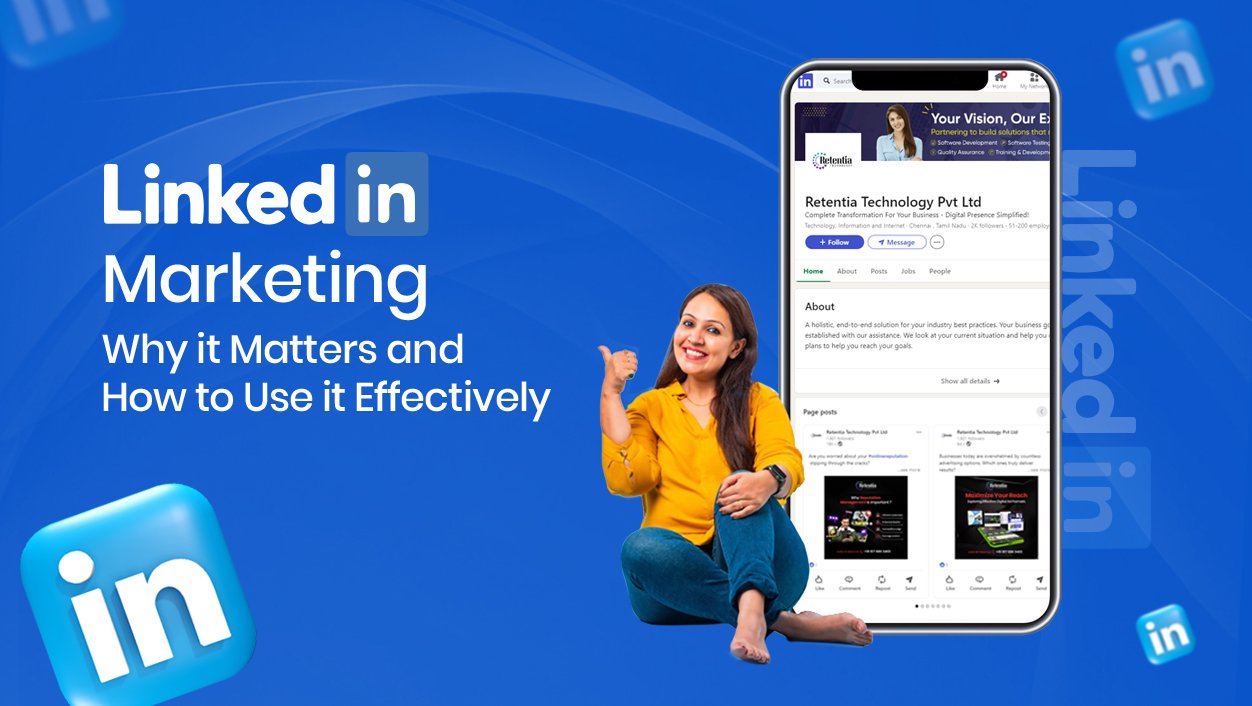
LinkedIn Marketing: Why It Matters and How to Use It Effectively
For many businesses, LinkedIn has become part of the weekly marketing routine. A few posts go live each week, company updates are shared and occasionally someone comments on an industry trend. Yet months later, the same question keeps coming up. “Why isn’t LinkedIn generating business?” The reality is that being active on LinkedIn isn’t the same as having a LinkedIn marketing strategy. Posting consistently alone won’t build credibility, generate qualified enquiries, or influence buying decisions. The businesses that see real results create content that speaks to the right audience, addresses genuine business challenges and demonstrates expertise long before a sales conversation begins. Whether your goal is to increase brand visibility, generate B2B leads, or establish your business as a trusted authority, LinkedIn offers opportunities that few other platforms can match. The companies achieving the strongest results aren’t necessarily posting more often. They’re posting with a clear strategy and a deep understanding of what their audience actually wants to see. In this guide, we’ll explore why LinkedIn marketing has become an essential part of B2B growth, where many businesses go wrong and the practical strategies that can help you turn LinkedIn into a channel for building authority, generating qualified leads and supporting long-term business growth. Why Has LinkedIn Become Essential for B2B Marketing? LinkedIn has evolved far beyond being a platform for recruitment and professional networking. Today, it’s one of the most influential digital channels for B2B businesses looking to build credibility, connect with decision-makers and generate qualified leads. Unlike other social media platforms, LinkedIn brings together business owners, senior executives, procurement professionals and industry specialists who actively use the platform to stay informed, discover solutions and evaluate potential suppliers. In many cases, a buyer’s first impression of your business is formed through your LinkedIn presence, long before they visit your website or speak with your sales team. This change in buyer behaviour has made LinkedIn an important part of the B2B decision-making process. Potential customers are no longer waiting to be approached by sales teams. Instead, they’re researching companies, reading industry insights, comparing expertise and engaging with businesses that consistently provide valuable content. For organisations, this creates an opportunity to move beyond traditional advertising. A well-planned LinkedIn marketing strategy helps businesses educate their audience, demonstrate expertise and build trust through consistent, relevant content. Over time, this positions the business as a credible partner rather than just another service provider. Whether you’re promoting professional services, ERP solutions, healthcare, manufacturing, or technology, LinkedIn allows you to reach the people who influence buying decisions. When used strategically, it becomes more than a social media platform. It becomes a channel for building relationships, strengthening brand authority and creating opportunities for long-term business growth. Why Businesses Are Investing More in LinkedIn Marketing The growing importance of LinkedIn isn’t just driven by its user base. It’s driven by how businesses buy. Today’s B2B buyers often complete a significant part of their research before contacting a supplier. They compare providers, review company pages, explore leadership profiles and consume educational content to understand which businesses genuinely understand their challenges. This shift means companies need to earn trust before the first sales conversation takes place. An effective LinkedIn marketing strategy helps businesses: Businesses that consistently provide useful insights are far more likely to be remembered when a purchasing decision is made. Rather than relying solely on outbound sales, LinkedIn enables organisations to attract opportunities by demonstrating expertise where their audience is already spending time. Why Do Most Businesses Struggle with LinkedIn Marketing? Many businesses invest time in LinkedIn without seeing meaningful results. They post regularly, share company updates, celebrate milestones and occasionally promote their services. While these activities keep the page active, they rarely generate qualified enquiries or create lasting engagement. The problem usually isn’t the platform. It’s the strategy behind the content. LinkedIn is a professional network where people look for ideas, expertise and solutions to business challenges. Yet many companies use it as a noticeboard for internal updates rather than a platform to educate and build trust with potential customers. As a result, businesses often mistake activity for progress. They measure success by likes and impressions while overlooking the metrics that matter most, such as meaningful conversations, profile visits from decision-makers, website enquiries and new business opportunities. Successful LinkedIn marketing starts with understanding that people don’t visit the platform looking to buy immediately. They come to learn, solve problems and connect with businesses that consistently provide valuable insights. Companies that recognise this shift create content that supports the buyer’s journey instead of interrupting it with sales messages. Common Mistakes That Limit LinkedIn Marketing Results Focusing on Products Instead of Problems One of the biggest mistakes businesses make is talking too much about themselves. Posts announcing new services, company achievements, or product features have their place, but they shouldn’t dominate your content strategy. Decision-makers are far more interested in content that helps them solve operational challenges, improve performance, or make better business decisions. The most effective LinkedIn content starts with the audience’s pain points rather than the company’s offerings. Treating LinkedIn Like Every Other Social Platform Content that performs well on Facebook or Instagram doesn’t always resonate on LinkedIn. LinkedIn users expect professional insights, practical advice, industry expertise and informed opinions. Businesses that simply recycle promotional social media posts often struggle to build credibility because the content doesn’t match the expectations of the audience. Posting Without a Clear Strategy Consistency is important, but consistency alone isn’t enough. Many businesses publish content simply to remain active, without defining who they’re trying to reach or what they want each post to achieve. An effective LinkedIn marketing strategy should support clear business objectives, whether that’s increasing brand awareness, generating qualified leads, building thought leadership, or strengthening relationships with existing clients. Ignoring Personal Branding On LinkedIn, people engage with people before they engage with businesses. Company pages play an important role, but posts shared by business owners, consultants, directors and subject matter experts often receive significantly higher engagement because they feel